Piala Dunia 2026: Mengapa Pertahanan Spanyol Bisa Menjadi Sejarah
July 7, 2026 · Global
Spanyol menunjukkan performa luar biasa di Piala Dunia 2026 dengan catatan pertahanan yang belum pernah kebobolan. Ini menjadi peluang bagi mereka untuk mengukir sejarah baru dalam turnamen ini.
Piala Dunia 2026: Mengapa Pertahanan Spanyol Bisa Menjadi Sejarah
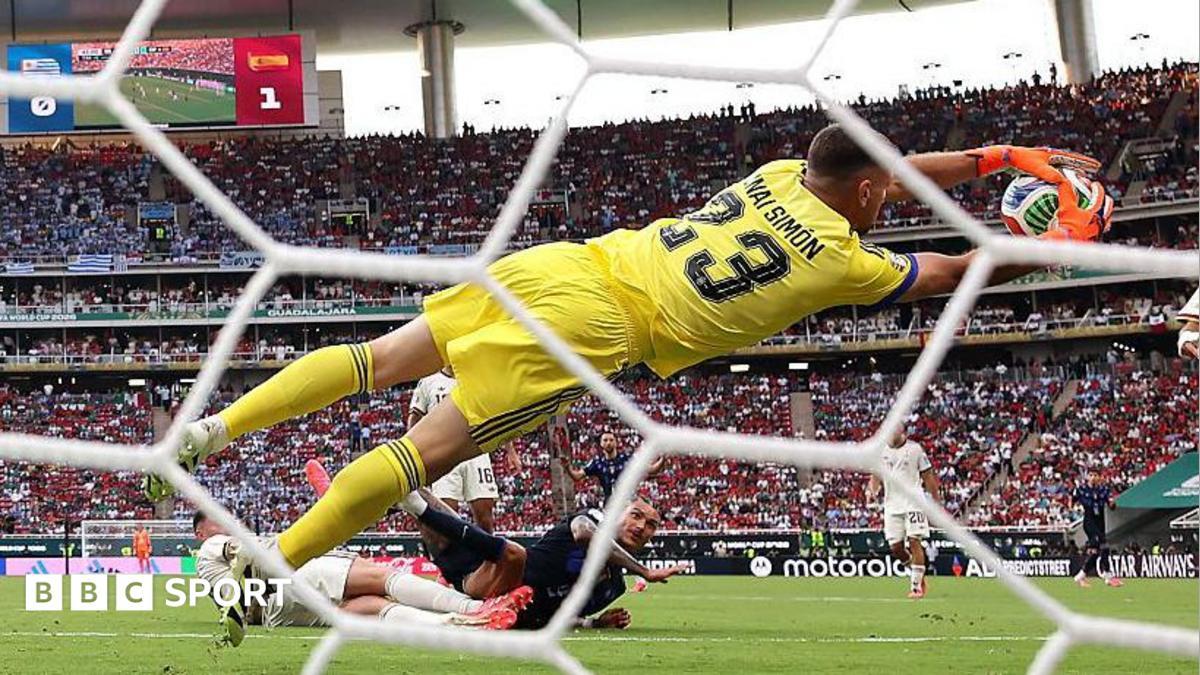
Ada sebuah pepatah lama, yang sering dikaitkan dengan pelatih legendaris sepak bola Amerika, Paul 'Bear' Bryant, bahwa "serangan menjual tiket, tetapi pertahanan memenangkan kejuaraan". Jika teori ini benar, Spanyol memberi diri mereka peluang besar untuk mengangkat trofi Piala Dunia. Di bawah asuhan Luis de la Fuente, tim ini telah mencapai babak 16 besar tanpa kebobolan satu gol pun dan menjadi satu-satunya tim yang belum pernah dibobol di Piala Dunia 2026, sementara Meksiko sudah kebobolan tiga gol saat melawan Inggris.Spanyol juga menjadi negara Eropa pertama yang mencatatkan clean sheet dalam empat pertandingan pembuka Piala Dunia sejak Swiss pada tahun 2006. Dengan hasil imbang 0-0 melawan Maroko di pertandingan terakhir mereka di Qatar 2022, mereka bisa menjadi tim pertama dalam sejarah turnamen yang mencatatkan enam clean sheet berturut-turut di Piala Dunia. Kemenangan 3-0 atas Austria menjadikan mereka tim pertama yang tidak menghadapi satu pun tembakan tepat sasaran dalam pertandingan knockout Piala Dunia sejak Jerman melawan Argentina di final 2014.
Kiper Unai Simon telah menjalani 519 menit berturut-turut di Piala Dunia tanpa kebobolan, melampaui rekor lama Walter Zenga yang berdiri pada 517 menit dan rekor Spanyol yang dipegang Iker Casillas sebanyak 476 menit, yang terhenti ketika Robin van Persie mencetak gol dengan sundulan ikoniknya di Piala Dunia 2014. Kenaikan karier Simon didukung oleh kepercayaan yang kuat dari De la Fuente, yang terus membelanya meskipun ada persaingan dari pemenang Golden Glove Premier League, David Raya, dan kiper Barcelona, Joan Garcia. Keduanya pertama kali bekerja bersama ketika Spanyol memenangkan Kejuaraan Eropa U-19 pada 2015 sebelum bersatu kembali di tim senior pada 2023.
"Saya merasa bangga padanya," kata De la Fuente setelah kemenangan Spanyol atas Austria. "Saya merasa dia adalah bagian dari keluarga saya. Saya sangat senang untuknya." Namun, De la Fuente cepat-cepat menekankan bahwa pencapaian ini adalah refleksi dari kerja kolektif Spanyol, bukan hanya satu kiper yang luar biasa. "Dia memainkan peran yang sangat besar dalam kemenangan, tetapi ini bukan hanya tentang individu," kata pelatih Spanyol tersebut. "Ini tentang seluruh kelompok yang bersatu untuk upaya defensif itu."
Satu lagi catatan sejarah kini dalam jangkauan. Rekor 559 menit berturut-turut tanpa kebobolan oleh Swiss antara 1994 dan 2010 tetap menjadi yang terlama oleh negara mana pun. Jika La Roja menjaga Portugal tanpa gol hingga menit ke-41 dalam pertandingan pertemuan mereka di babak 16 besar, mereka akan melampaui rekor tersebut dan mencetak rekor baru di Piala Dunia. Bukti terbaru menunjukkan bahwa mereka memiliki peluang besar. Tidak ada tim yang berhasil melakukan tembakan tepat sasaran terhadap Spanyol dalam 75 menit pembukaan pertandingan di Piala Dunia ini. Dalam empat pertandingan mereka, lawan hanya menghasilkan satu upaya gabungan ke gawang Simon dalam setengah jam pertama dan hanya 10 tembakan secara total sebelum interval (2,5 per babak pertama).
Jika pola ini berlanjut melawan tetangga Iberia mereka, maka satu lagi tonggak sejarah di Piala Dunia segera bisa menjadi milik tim De la Fuente. Mungkin yang lebih mengesankan daripada clean sheet adalah betapa sedikitnya peluang yang diizinkan Spanyol untuk diciptakan oleh lawan. Spanyol memimpin turnamen untuk jumlah tembakan paling sedikit yang dihadapi (19), tembakan tepat sasaran yang dihadapi (tiga), jumlah sentuhan yang diizinkan di area penalti mereka (30), dan ekspektasi gol yang diizinkan (xGA - 0,85). Jika kita mengabaikan set-piece, gambaran ini menjadi lebih mencolok, dengan lawan hanya menciptakan 0,62 ekspektasi gol (xG) dari permainan terbuka - angka yang nyaman menjadi yang terkuat di antara semua tim yang tersisa.
Peluang-peluang itu juga dipaksa untuk berada di area berisiko rendah. Hampir 58% tembakan yang dihadapi Spanyol berasal dari luar area penalti, sementara lawan hanya menyelesaikan 60 operan ke dalam kotak. Ini adalah bukti dari pertahanan yang tidak hanya memblokir tembakan tetapi juga mencegah serangan mencapai posisi berbahaya sejak awal. Kontrol Spanyol meluas jauh lebih jauh ke atas lapangan. Lawan hanya rata-rata 2,9 operan dan 7,7 detik per penguasaan sebelum Spanyol merebut kembali bola, salah satu angka terbaik di turnamen ini. Mereka hanya mengizinkan dua serangan build-up dalam empat pertandingan dan masih menunggu untuk menghadapi tembakan pertama setelah turnover tinggi, menegaskan seberapa efektif mereka memadamkan serangan sebelum memiliki kesempatan untuk berkembang. Kontrol itu dimulai dengan penguasaan bola. Spanyol memimpin Piala Dunia dengan rata-rata 68,2% penguasaan bola, sementara lawan dipaksa memulai penguasaan lebih jauh dari gawang dan membuat kemajuan lebih sedikit ke atas lapangan dibandingkan hampir semua tim lainnya.
Di inti dari semua ini ada gelandang Manchester City, Rodri, yang telah mencoba dan menyelesaikan lebih banyak operan daripada pemain mana pun di Piala Dunia kali ini, bertindak sebagai metronom di depan empat bek. Dalam penguasaan, ia secara teratur menjatuhkan diri di antara Aymeric Laporte dan Pau Cubarsi yang berusia 19 tahun untuk menciptakan tiga bek, mengikuti peran yang dimainkan Sergio Busquets untuk Spanyol selama lebih dari satu dekade. Laporte dan Cubarsi juga telah sama-sama berpengaruh. Hanya dua pemain di turnamen ini yang rata-rata melakukan lebih banyak intersepsi per 90 menit daripada Laporte (2,26), sementara mantan bek Manchester City ini mencatatkan tingkat penyelesaian operan 93% dan memberikan satu assist. Cubarsi - yang sudah dianggap sebagai salah satu bek muda terbaik di Eropa - hanya melakukan kesalahan pada 11 dari 372 operan yang ia lakukan, memberinya tingkat penyelesaian 97% tertinggi di antara pemain yang telah mencoba setidaknya 300 operan.
Angka-angka ini mencerminkan bagaimana peran bek tengah telah berkembang. "Dalam sepak bola modern, dua bek tengah benar-benar telah menjadi playmaker," kata mantan pelatih Belanda Louis van Gaal. "No 10, di belakang striker, tidak bisa disebut playmaker lagi karena ruang di mana ia beroperasi terlalu terbatas." Pep Guardiola telah lama berbagi filosofi itu, berargumen bahwa para bek perlu memiliki "kemampuan terbaik dalam mengolah bola" untuk keluar dari masalah dan meluncurkan serangan - pendekatan yang tetap menjadi inti permainan Spanyol. Kekuatan tersebut meluas ke seluruh lini belakang. Marc Cucurella telah menggabungkan keandalan sebagai bek kiri dengan kualitas menyerang, menjadi pemain Spanyol pertama yang mencatatkan dua assist dalam pertandingan Piala Dunia sejak Javier de Pedro melawan Paraguay pada tahun 2002. Di sisi sebaliknya, Marcos Llorente dan Pedro Porro berbagi tugas bek kanan tanpa mengganggu keseimbangan Spanyol. Llorente, yang memulai melawan Cape Verde dan Uruguay, telah mencatatkan satu assist dan rata-rata 2,5 tekel sukses per 90 menit, kedua setelah Rodri di antara pemain Spanyol (2,52). Porro, sementara itu, telah mencetak satu gol, memimpin Spanyol dengan delapan peluang yang diciptakan dan enam umpan silang permainan terbuka yang diselesaikan, sementara tidak ada pemain lapangan Spanyol yang rata-rata memiliki lebih banyak pemulihan bola per 90 menit (tujuh).
Kejayaan terbesar Spanyol di Piala Dunia 2010 dibangun di atas ketahanan sama seperti permainan penguasaan bola, dengan tim Vicente del Bosque hanya kebobolan dua gol sepanjang turnamen. Italia pada tahun 2006 dan Prancis pada tahun 1998 juga mengangkat trofi setelah hanya mengizinkan dua gol, yang merupakan jumlah terendah yang sama dari pemenang Piala Dunia mana pun. Tim De la Fuente masih memiliki empat pertandingan untuk dilalui jika mereka ingin meniru para juara tersebut, dimulai dengan pertandingan 16 besar yang menantang melawan Portugal. Namun secara statistik, mereka sudah menghasilkan salah satu kampanye Piala Dunia yang paling dominan dalam catatan. Jika mereka terus berada di jalur ini, sejarah menunjukkan bahwa pertahanan sekali lagi bisa menjadi fondasi bagi para juara.
Related Articles
- Mbappé Shines as France Defeats Paraguay in World Cup 2026 Clash
- Ehipto, kauna-unahang panalo sa knock-out ng FIFA World Cup 2026
Frequently Asked Questions
Why does this matter now?
This Piala Dunia 2026 update affects fans, teams, and the wider season picture — read above for the full breakdown.
What happens next?
Stay tuned for official updates and follow our coverage for the latest developments.