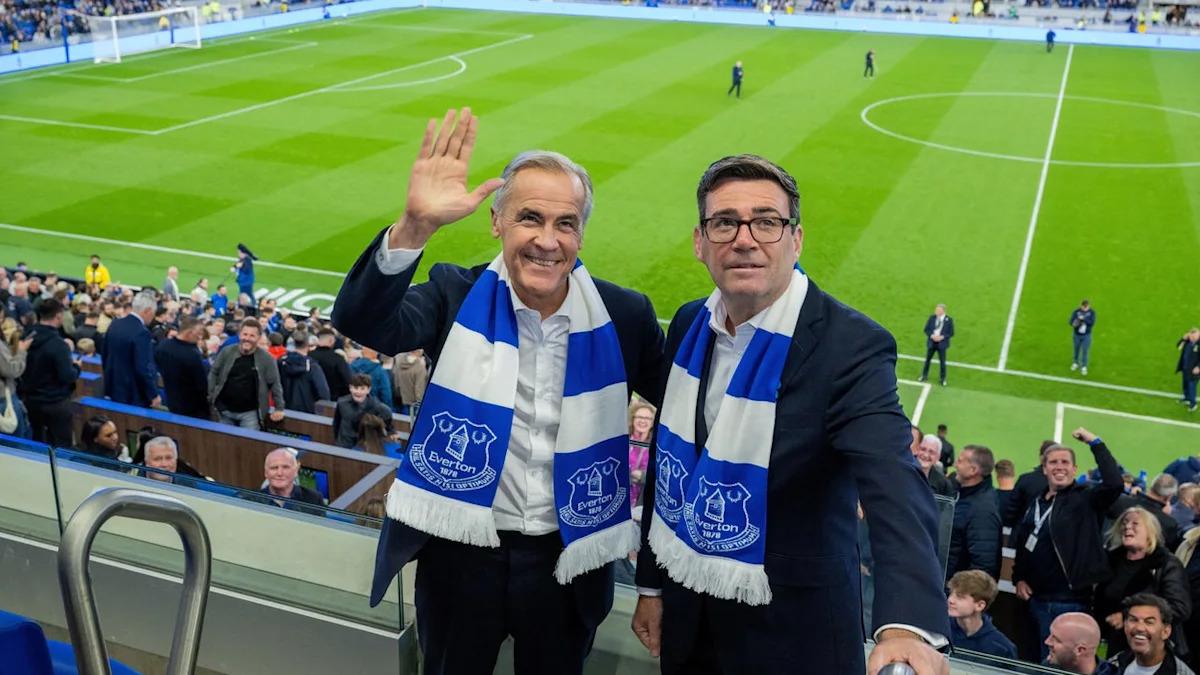
Burnham Urges to Lift Ban on Drinking Alcohol in Stadiums
September 24, 2026 · Perú
Prime Minister Andy Burnham proposed that the ban on drinking alcohol in football stadiums be lifted, calling it a discriminatory policy that is unfair to football fans. Support came from the Football Fans Association, while police warned of the need for further consultation.
Burnham Urges to Lift Ban on Drinking Alcohol in Stadiums
According to Sports.
Background
As an Everton fan, Andy Burnham has a personal stake in this issue, which may influence his views and efforts to create a more inclusive environment for football fans. If this ban is lifted, it could pave the way for clubs like Everton to adopt more fan-friendly policies, improving the atmosphere in stadiums.
Why this is important
Prime Minister Andy Burnham's proposal to lift the ban on alcohol in football stadiums raises important issues about the fair treatment of football fans, especially Everton fans. This policy, which has existed since the 1980s, is no longer considered relevant, given the positive changes in football culture and the reduction in violence among fans. Support from the Football Fans Association means that many agree that this policy needs to be reviewed.
Main Points
- Burnham Urges to Lift Ban on Drinking Alcohol in Stadiums.
- Prime Minister Andy Burnham proposed that the ban on drinking alcohol in football stadiums be lifted, calling it a discriminatory policy that is unfair to football fans.
- Burnham wants ‘discriminatory’ alcohol ban in stands at football matches to be overturned - Yahoo Sports.
British Prime Minister Andy Burnham has appealed to lift the ban on drinking alcohol in football stadiums, which he considers a discriminatory and outdated policy. In his view, it is unfair that football fans are prohibited from enjoying alcoholic drinks in stadiums, while supporters of other sports are allowed to do so.
This ban was introduced in the 1980s, when concerns about violence among football fans were high. This policy applies to the top five men's football leagues in England. Burnham, himself an Everton fan, argues that this policy was born out of an era in which football was very different.
"I don't think it's fair for football fans to be treated differently in that way and I have expressed that opinion. I believe there is a case for eliminating this discrimination. There are various ways to do this, perhaps on a trial basis. However, I will not back down from a view I have long held. There is no reason for some supporters of one sport to be treated differently to another," Burnham told reporters.

The Football Fans Association (FSA) welcomed the Prime Minister's statement and highlighted the successful trial of alcohol sales in stadiums that has been carried out at women's football matches. However, police chiefs warned that making changes without thorough consultation with the police would be very risky.
Tom Greatrex, chairman of the FSA, stressed that the policy was unfair stating, "The FSA has always argued that it is unfair to criminalize football fans who want to enjoy a drink while watching a match. Many clubs also support this. We welcome the Prime Minister's comments and fully agree that this law is out of date and needs to be reviewed. We look forward to being part of the consultation."
A spokesperson for the English Football Policing Unit stated that the police chief would welcome a meeting with Burnham to explain the challenges that would be faced if the changes were implemented. "Other sports do not face the levels of violence and criminal behavior from their supporters that football does, although only to a small extent, and alcohol often plays a significant role in violent and disorderly behaviour. It would be highly irresponsible to exacerbate this situation by allowing greater consumption of alcohol during matches. After a number of football-related tragedies, changes to the law were introduced following the Taylor Report with good reason, and we are currently in the longest period without a significant football-related disaster. It would be very risky to make fundamental changes without a full examination of the evidence and meaningful consultation with police practitioners who have expertise in this area," said the spokesperson.
Burnham previously raised the issue before taking office as Prime Minister in July, when rugby league fans were allowed to drink while watching matches at Everton's Hill Dickinson Stadium. He watched the match with friends, including Liverpool metro mayor Steve Rotheram, who was also holding a pint, and commented, "Why can they here do that in my seat, when we can't do the same at Everton's home game? Something's not right here. I think we need to look at this issue."
What happened next
In the future, if this proposal is accepted, there could be a trial to allow alcohol in stadiums, similar to what has been successfully done at women's football matches. However, police warned that these changes must be made with careful consultation to prevent potential problems. This could be a major step in improving the experience of football fans in the UK, including at clubs such as Everton and Liverpool.
Frequently Asked Questions
What is Andy Burnham proposing?
Andy Burnham applies to lift the ban on drinking alcohol at football stadiums.
Why does Andy Burnham want to lift this ban?
Burnham considers the ban to be a discriminatory and outdated policy, and unfair to football fans.
Who supports Andy Burnham's statement?
The Football Fans Association (FSA) welcomed the Prime Minister's statement.
When will the ban on drinking alcohol in stadiums come into effect?
This ban was implemented in the 1980s.
What does the police chief say about these changes?
Police chiefs warned that making changes without consultation could be risky.